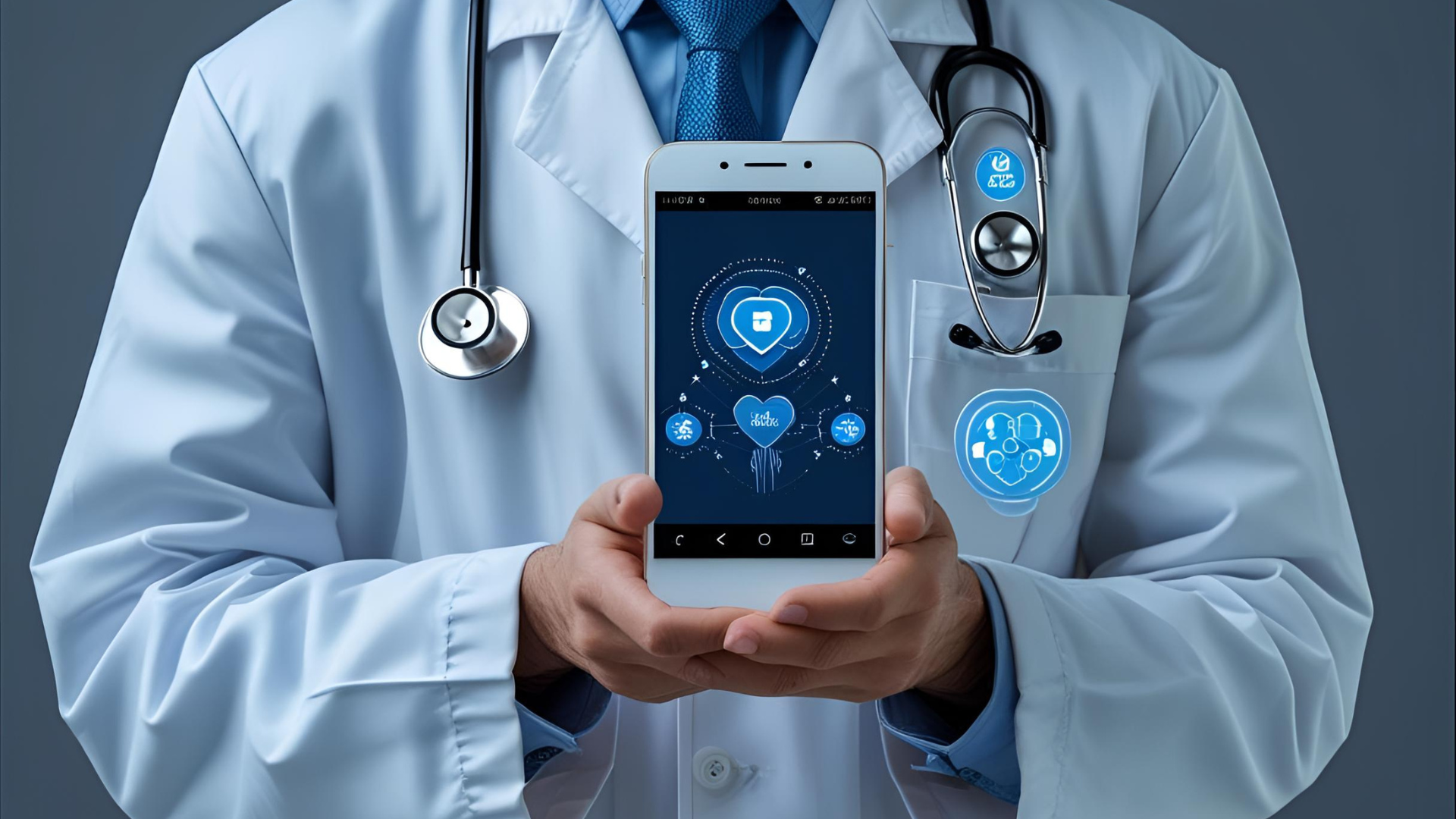
The healthcare industry has been undergoing a massive digital transformation over the last decade. With the growing adoption of smartphones, mobile app development has emerged as a game-changing solution for improving healthcare services.
From online doctor consultations to AI-powered diagnostics, mobile apps are redefining the way healthcare providers and patients interact. Hospitals, clinics, and even independent practitioners are now relying on mobile technology to deliver better, faster, and more convenient care.
At Ohara IT Solution, we specialize in developing innovative, secure, and user-friendly healthcare mobile applications that help medical organizations deliver exceptional patient experiences while streamlining operations.
1. Improved Patient Engagement and Empowerment
In the past, patients had limited access to their medical records, and communication with doctors often required an in-person visit. Mobile healthcare apps have changed that completely.
With features like health tracking, medication reminders, wellness tips, and real-time access to lab results, patients are now more involved in their health decisions. Apps can also offer educational resources, enabling people to understand their conditions and treatment options better.
2. Easy Access to Healthcare Services Anytime, Anywhere
One of the biggest advantages of mobile apps is convenience. With a few taps, patients can:
- Schedule doctor appointments.
- Access medical records.
- Order prescription refills.
- View test results instantly.
This reduces the need for unnecessary clinic visits, saving time for both patients and healthcare providers.
3. Real-Time Communication Between Doctors and Patients
Mobile apps make doctor-patient communication faster and more efficient. Secure chat, voice calls, and video conferencing enable timely consultations, especially in emergencies.
Doctors can send follow-up instructions, answer queries, or even adjust treatment plans without requiring patients to visit in person.
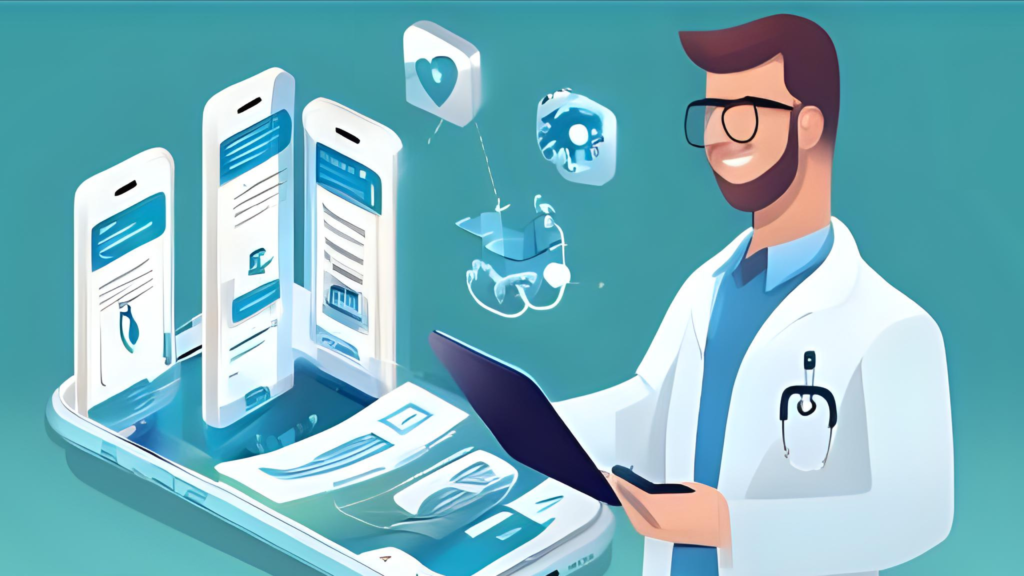
4. Remote Patient Monitoring (RPM) for Better Care
With IoT (Internet of Things) integration, healthcare apps can connect to wearable devices that track vital signs such as heart rate, oxygen levels, and blood pressure.
Doctors can monitor these metrics remotely, allowing for early detection of potential health problems and timely interventions.
5. Secure Data Management and Compliance
Patient health data is sensitive and must be handled securely. Mobile healthcare apps built with strong encryption and compliant with healthcare regulations (like HIPAA in the U.S.) ensure that personal medical information remains confidential.
Custom-built apps can also integrate with hospital databases for smooth data sharing between departments while keeping security intact.
6. Cost-Effective Healthcare Solutions
Mobile apps reduce the need for manual paperwork, phone calls, and in-person consultations. Hospitals can automate appointment scheduling, billing, and patient follow-ups, saving time and operational costs.
Patients also save money by avoiding unnecessary travel and hospital visits for minor consultations.
7. Personalized Healthcare Experiences
AI-powered healthcare apps can analyze patient data and provide tailored recommendations for diet, exercise, medications, and lifestyle changes.
This level of personalization helps in faster recovery and better long-term health outcomes
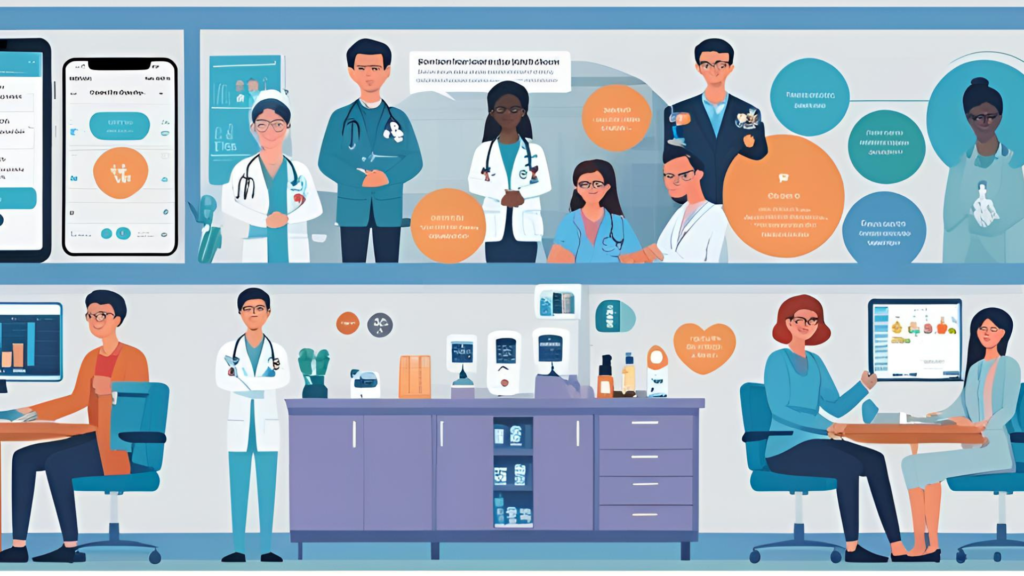
8. Streamlined Hospital Operations
Mobile apps aren’t just for patients—they also help doctors, nurses, and hospital administrators.
They can be used for staff scheduling, equipment tracking, patient record management, and internal communication, making hospital operations smoother.
9. 24/7 Availability of Healthcare Services
Unlike physical clinics with fixed working hours, mobile healthcare apps are accessible anytime. Patients can book appointments, access test results, or even chat with a doctor at midnight if needed.
Conclusion
Mobile app development is revolutionising the healthcare industry. From improved patient engagement to cost savings and operational efficiency, the benefits are clear.
At Ohara IT Solution, we understand the unique challenges of healthcare app development security, compliance, and user experience. Our expert team creates customized, scalable, and secure healthcare mobile apps that not only meet but exceed industry standards.
.
.
Learn more about how we’re transforming industries: www.oharasolution.com